Find Out What Flavors and Forms This Influential Generation Looks for When Dining Out
Millennials make up a large portion of potential customers. Born between 1977 and 1992, this group is projected to surpass boomers as the country’s largest living generation, according to the U.S. Census Bureau. Millennials also boast a staggering purchasing power of $250 billion. Their size and clout make them influencers in today’s foodservice landscape, so it makes good business sense to understand what drives their food choices.
Datassential has tagged them as “thrill seekers” and “experientialists.” NPD Group describes them as “restaurant explorers.” Millennials are an adventurous bunch, particularly the older half of this demographic. Because they span such a large range of years, Datassential has divided them into two distinct groups with different behavioral patterns. Younger millennials are less adventurous; older millennials are the ones who demand adventurous fare with bold, exciting flavors, and they’re also typically the group with more discretionary income.
Authenticity Meets Mash-Up
Millennials are one of the driving forces behind the demand for authentic flavor, but that authenticity isn’t about a purist approach to native recipes. So, a pho can be inspired by Vietnamese cuisine, but doesn’t have to replicate the flavor and form of one found on the streets of Hanoi. It’s about authenticity of experience—food with integrity that’s handcrafted in the back of house. Maybe that pho is a build-your-own bowl with inclusions like fresh herbs, grilled chicken, or tofu. Authenticity doesn’t preclude culinary creativity. In fact, the global mash-up is a firm favorite of millennials. QSR magazine’s Marc Halperin says that although millennials are attracted to authentic flavors, they’re not purists. They seek out inventive, delicious, bold fare.
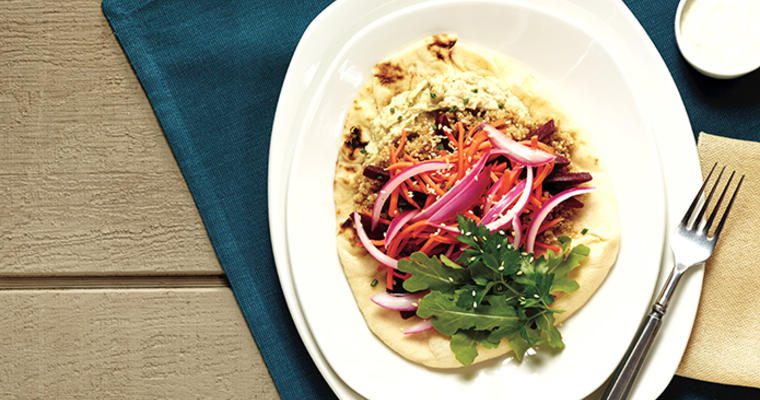
Global mash-ups appeal to millennials because they typically display bold, flavor-forward combinations with roots in multiple cultures. Examples of successful dishes include the naanwich, Korean barbecue taco, and panko fish and chips with wasabi aïoli. If trying to entice millennials, look to the mash-up as a way in. Adding adventurous, creative dishes will help draw interest and buzz. Mix it up, add variety—40 percent of millennials will order something different every time they visit a restaurant.
Customization is King
Technomic underscores how important being able to customize their dining experience is for millennials. In its Generational Consumer Trend Report, Technomic says, “Millennials do seek out a strong value proposition and quick, convenient food, but they also value restaurant experiences that allow them to connect. They are a unique, seize-the-moment group, looking for items they crave and that they can make their own.”
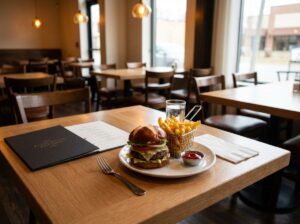
A winning combination sees the global mash-up, or other adventurous fare, presented in customizable formats. While Chipotle led the way here, the better-burger movement, which has seen explosive growth over the last few years, also hangs its hat on customization. Not only are millennials looking for a have-it-your-way approach, but they’re seeking out bold ingredients as options. Raw onions give way to caramelized Vidalia onions, mayonnaise yields to Sriracha-spiked mayo, and ketchup transforms into harissa-spiked ketchup. Other menu items that invite customization and premium presentation are tacos, fajitas, and sandwiches—all falling within that sweet spot of affordability and convenience with today’s millennial diners.
Feel-Good Food
Millennials like indulgent splurges, like all diners, but their flavor preferences show a hankering for healthy fare, too. In May 2015, NPD Group reported that millennials like fresh, less processed food. In addition to seeking out fresh food, millennials are also interested in eating more organic foods. Made-to-order and customizable are values that play well in this feel-good-food arena. Health cues that resonate include low-calorie, unprocessed, and natural, Technomic reports.
Restaurants are responding with healthier choices that focus on what diners are getting, rather than what they’re sacrificing. As an example, The Cheesecake Factory added a new “Superfoods” platform, which company officials say will hopefully appeal to millennials. The focus is on health cues like nutrient rich, powerhouse ingredients, such as kale, almonds, quinoa, and salmon.
Flavor Ambassadors
While global mash-ups are definitely appealing to this generation, a few ingredients stand out to them. Sriracha’s flag still flies high, answering their call for bold flavor. Look to gochujang, a Korean chile pepper paste, as the next big flavor sensation, according to Flavor & The Menu. Other spicy flavors making menu moves are harissa (Tunisian hot sauce), ghost peppers, aleppo (a fruity chile pepper from Turkey) and aji amarillo, a Peruvian pepper.